
A PulsaCoil fault can leave your home without hot water; finding the right thermal-store service starts the fix. The system is an electric thermal store, not a conventional boiler, so it needs an engineer familiar with this type of heating equipment.
The engineer will need the model name and a clear account of the symptoms to identify a sensible next step. A lack of hot water can have several causes, so a description helps guide the first checks without guessing which part has failed.
If you need Pulsacoil repair Eltham, explain whether the problem began suddenly or has been getting worse. A repair provider can then advise whether to arrange diagnosis, servicing or another form of service. You can also ask what the appointment is intended to cover and whether an engineer is available today. Having the model name and a clear description of the problem ready can make the first conversation more useful.
PulsaCoil Repair Eltham: Common Faults and What They Mean
A cold store points the engineer towards its immersion heater or thermostat; a hot store points towards delivery components. These problems can produce the same result at your taps, but they do not necessarily call for the same repair.
In the PulsaCoil A Class, the immersion heater is a 3 kW, 14-inch Incoloy element, paired with an 11-inch rod thermostat and a separate manual-reset safety overheat cut-out. A failed immersion heater element or thermostat can stop the thermal store heating. The safety cut-out is a separate component.
| Symptom | Possible cause | What it may indicate |
|---|---|---|
| No hot water; store does not heat | Failed element or thermostat | Heating fault |
| No hot water; store heats | Sensor, pump, printed circuit board or plate heat exchanger | Delivery fault |
| No overnight heating | External Economy Seven time clock | Off-peak control fault |
A plate heat exchanger transfers heat from the stored water to mains water without mixing the two supplies. If the store gets hot, a failed sensor, pump, printed circuit board or plate heat exchanger can still prevent domestic hot water reaching the taps.
The symptoms help an engineer narrow down the checks, but they do not confirm a diagnosis on their own. For example, no hot water does not prove that the heater has failed; the store may be heating while another part interrupts delivery.
Do not assume an overnight heating failure means the immersion element has failed, since an external Economy Seven time clock can also interrupt off-peak heating.
Which PulsaCoil Models Can Be Repaired?
PulsaCoil 2000, A Class, BP, Eco and 3 are among the model names a repair provider may be asked to identify. Other familiar versions include PulsaCoil 3D, PulsaCoil Thermal, PulsaCoil Stainless and Gledhill BoilerMate.
A PulsaCoil boiler is a name people may use for the unit, but the system is an electric thermal store rather than a conventional boiler. Common PulsaCoil models listed for repair include:
- PulsaCoil 2000 and PulsaCoil A Class
- PulsaCoil BP and PulsaCoil Eco
- PulsaCoil 3 and PulsaCoil 3D
- PulsaCoil Thermal and PulsaCoil Stainless
- Gledhill BoilerMate
The exact model name and version matter when checking repair compatibility and suitable parts. Two units can look similar while needing different components, so appearance alone is not a reliable way to identify what an engineer should bring.
The plate heat exchanger transfers heat from the stored water to mains water without joining the supplies. A pump speed control board or blending valve controls the outlet temperature, depending on the system design.
Knowing the model helps a repair provider check which repair options may fit your unit. It does not confirm that a required part is available, even when an engineer recognises the version.
Read the model label from the unit rather than relying on its appearance, especially if you are unsure which version is installed.
What Happens During a Repair Visit?
A useful first repair appointment begins with the model and a precise account of what the system is doing. Repair providers may take bookings online or by phone and ask about the fault before giving a quote.
The engineer needs to inspect and diagnose the system before confirming the work and parts required. A symptom alone does not prove which component has failed, so diagnosis may take place before any repair is agreed.
Before booking, have these details ready:
- The model name or a clear photo of the label
- The exact symptoms and when they occur
- Whether the display shows lights or an error code
- Whether you have noticed a leak or an electrical trip
Tell the repair provider when the hot water problem started and whether it happens every time. For example, a fault that appears only after the overnight heating period gives the engineer a useful detail to consider during checks.
Depending on the fault and the unit’s condition, repairs may involve diagnosis, suitable parts, servicing or replacement. The engineer should explain the proposed work and any parts needed before you decide whether to proceed.
If the unit is leaking or the electrics have tripped, mention that when booking so the provider can advise you on the appropriate next step.
How Is PulsaCoil Repair Pricing Worked Out?
Ask for the pricing structure and what it includes before you agree to a PulsaCoil repair. Providers may use an hourly rate, a fixed price or a monthly repair-and-care plan, but these are possible arrangements, not guaranteed offers.
The final price depends on the fault, the parts and labour required, and whether repair or replacement is appropriate. A straightforward diagnosis may lead to a different quote from work involving a less readily available component or several stages of labour.
Check whether the quote includes the call-out, diagnosis, labour and parts. Ask about any limits, such as which faults or components are included, and whether further work would be charged separately.
Transparent pricing means being clear about the scope before work begins. A fixed-price offer can still have exclusions, so read what it covers rather than assuming it includes every possible fault.
A monthly repair-and-care plan is different from a one-off repair quote. Check whether the plan covers the type of service you need and whether any limits apply to parts, labour or call-outs.
Replacement is a separate decision from a repair quote. If the engineer recommends a new unit, ask for the reason and compare that recommendation with the repair option before you approve either choice.
Keep the written quote and confirm any extra work or cost with the provider before authorising it.
Repair or Replace a Leaking PulsaCoil?
A PulsaCoil A Class that keeps losing water from its header tank needs the leak location identified before you can judge whether repair is practical. Persistent water loss can come from the immersion heater, pipework or internal cylinder, so the symptom alone does not show where the leak is.
| Finding | What it may mean | Practical option |
|---|---|---|
| Persistent header-tank water loss | Leak in heater, pipework or internal cylinder | Locate the leak first |
| Leak traced to immersion heater or pipework | Component or pipework fault | Assess repair |
| Leak traced to internal cylinder | Replacement may be needed | Compare replacement with repair |
The table shows why an assessment matters: a leak from an accessible component may leave repair open as an option, while a cylinder leak can change the decision. The engineer needs to establish the source before recommending work on the unit.
Ongoing water loss is a reason to arrange an assessment, not proof of one particular leak location. Keep track of whether the header tank continues to lose water, and tell the repair provider what you have noticed when arranging help.
If the leak comes from the immersion heater or pipework, the engineer can assess whether a component repair is suitable. The scope of work will depend on what is damaged and whether appropriate parts are available.
A leak from the internal cylinder can mean that the PulsaCoil A Class needs replacement rather than repair. In that case, ask what the assessment found and what the replacement recommendation would involve before choosing an option.
Ask the engineer to explain whether the leak is in a replaceable component or the internal cylinder before deciding what work to approve.
Booking a Local Service in Eltham
Eltham is in SE9, so confirm that the repair provider covers your exact postcode before arranging a visit. A PulsaCoil repair service in Eltham should confirm it attends your address, since coverage can vary across local areas.
For a Gledhill PulsaCoil repair in Eltham, have the exact model and symptoms to hand when you book. This helps the provider understand whether you need diagnosis, servicing, maintenance or a different service.
Some providers may also offer installation, but services differ between businesses. Ask which work is available at your postcode and whether the team can take on your type of unit.
Appointment availability depends on the provider and its current schedule. A local specialist may offer diagnosis or repairs, but do not assume that a visit is available on the same day.
Clarify what the appointment is for before you confirm it. A first visit may be for diagnosis, while a repair may depend on the fault and the parts the engineer needs.
Ask for the earliest appointment the provider can offer and whether it is for diagnosis, a repair or an assessment for replacement.
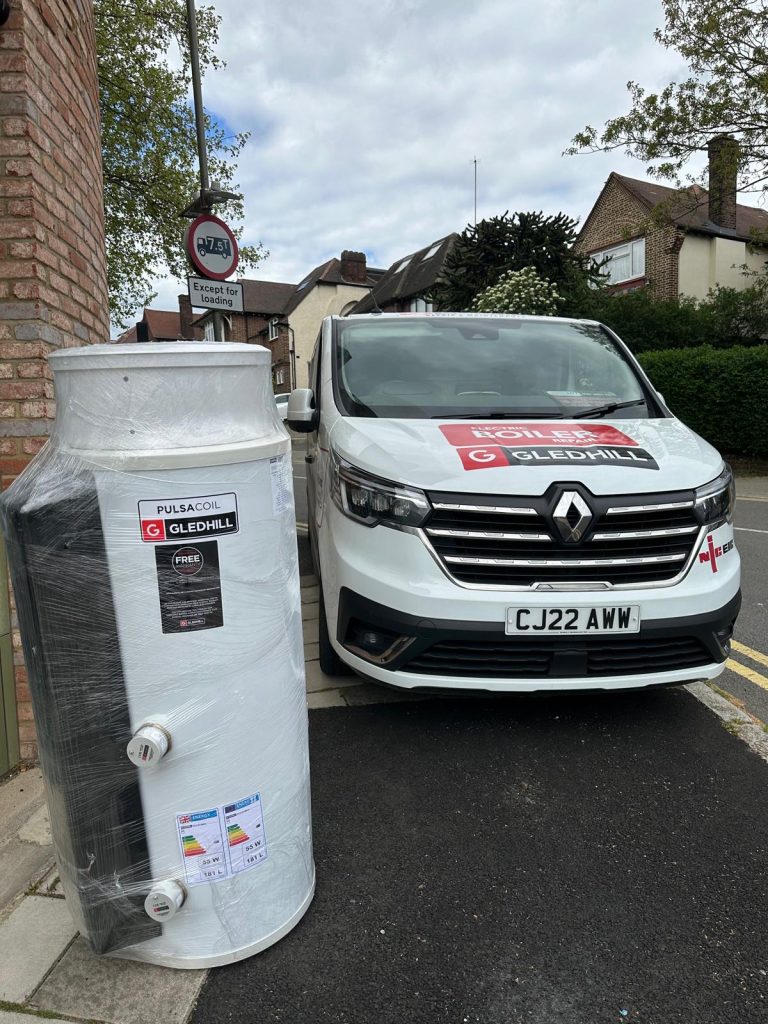
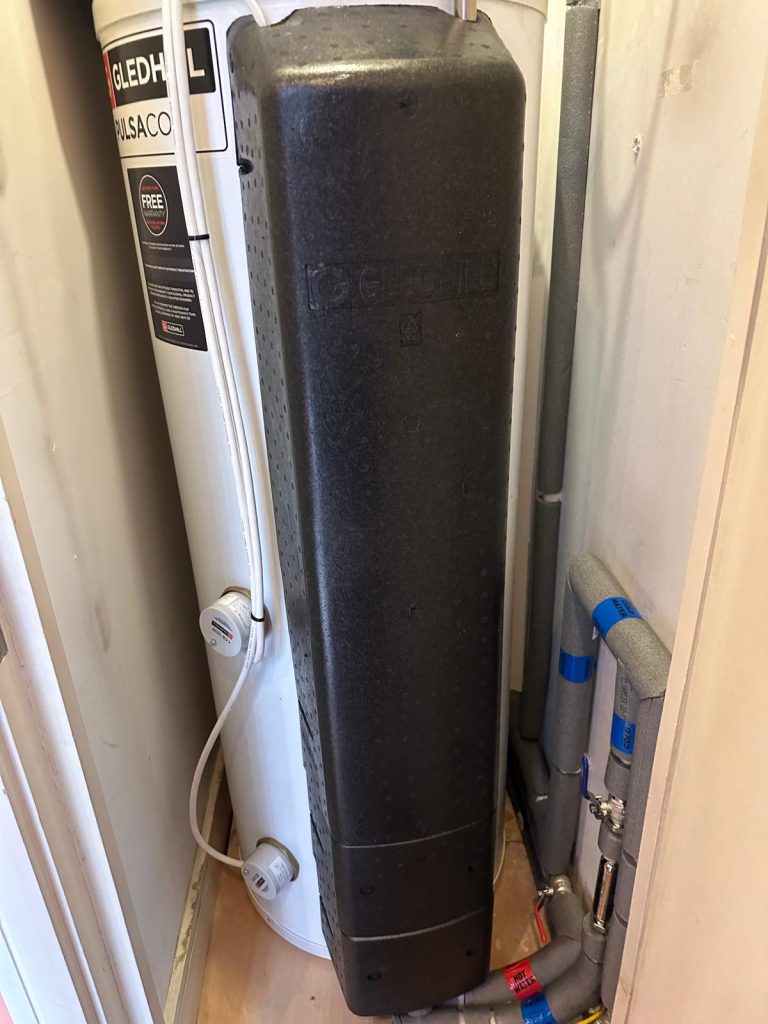
Book an Eltham Engineer for Your Hot Water Problem
If your PulsaCoil is not providing reliable hot water, arrange a diagnosis rather than guessing which part needs replacing. Contact a repair provider and describe what the system is doing, including when the problem occurs.
Share your model and postcode, then ask what the appointment includes. A clear service description helps you understand whether the visit covers diagnosis, repair work or an assessment of the unit.
Do not feel you need to identify the failed component before speaking with an engineer. You can explain the symptoms and ask what the next step involves. If you need help today, ask about current appointment availability without assuming a particular response time or outcome. Have the model, symptoms and postcode ready when you contact a provider to discuss the next step.